Fame Crew · Texas
The 15 Best Videographers in Texas (2026)
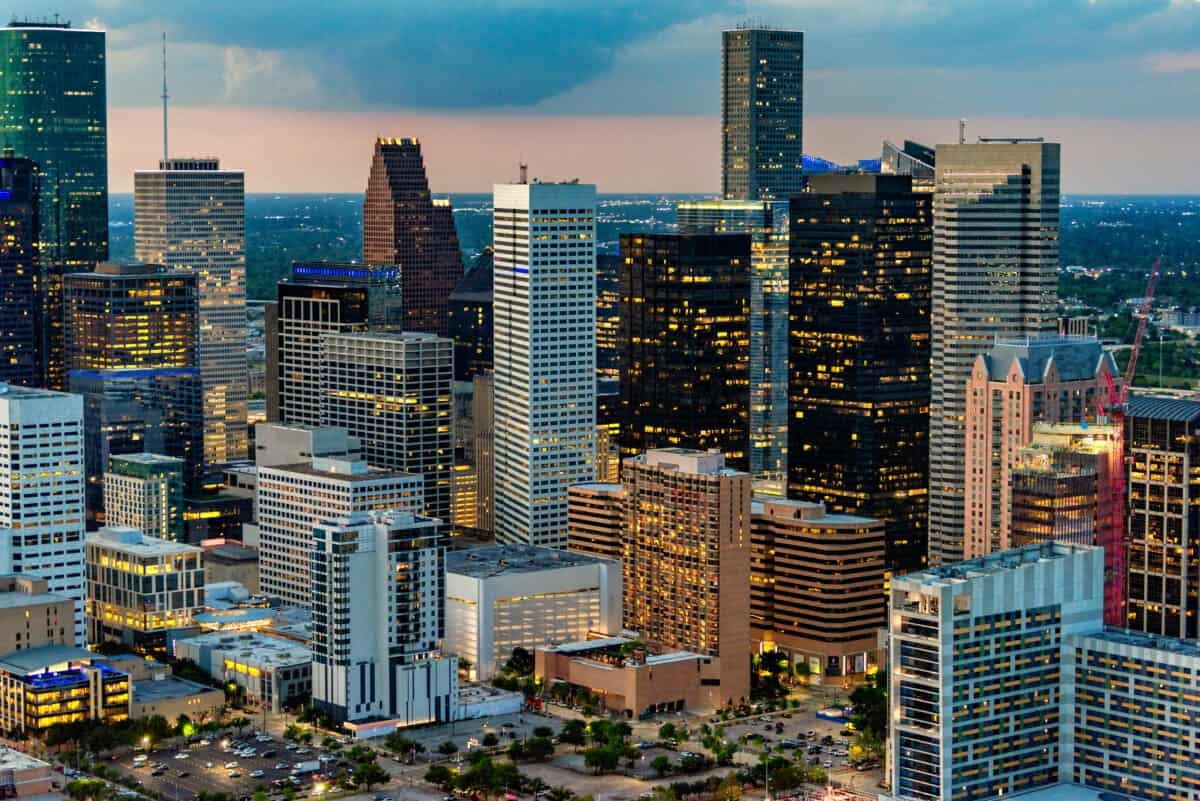
Texas video production spans four very different major markets, each with its own industry base and visual character. Houston's energy and medical sectors, Austin's tech and music scene, Dallas's corporate and finance world, and San Antonio's tourism and military presence all generate distinct kinds of shoots. The state's size also means crews deal with long drives between cities and wide swings in climate, from humid Gulf Coast mornings to dry hill country heat.
- 15
- vetted locally
- Fame
- vetted crew
- 15
- with showreels
Watch: work from a Texas videographer
Showreel from Federico A., videographer on Fame's Texas roster. More showreels in the list below.
What makes a good videographer in Texas?
A strong Texas videographer knows how to shoot in extreme heat and sun glare for months at a stretch, and has gear and workflow built around that, from ND filters to protecting equipment in triple-digit temperatures. They also understand the state's range of visual identities: the glass towers of Dallas's Uptown, the hill country ranches outside Austin, the refineries along the Houston Ship Channel, and the Spanish colonial architecture of San Antonio all call for different lighting and lensing approaches. Fame vets specifically for crews who've worked across these conditions and know which style fits which brief.
Types of video shoots in Texas
Houston drives heavy demand for energy sector video, including safety training, recruitment, and corporate documentary work for companies headquartered near the Energy Corridor and downtown. Austin's tech and startup scene fuels product launches, SaaS explainer videos, and content shoots tied to SXSW, while its live music venues support a steady stream of music videos and artist EPKs. Dallas-Fort Worth sees a mix of corporate brand films for companies at Legacy West and in Las Colinas, plus real estate and luxury lifestyle video given the area's high-end residential market. San Antonio and the border region generate tourism, hospitality, and bilingual commercial work tied to the Alamo, the River Walk, and medical center campuses.
Filming locations & logistics in Texas
Crews shoot regularly at Austin's Lady Bird Lake trail and the Texas Capitol grounds, though the latter requires a state permit booked well in advance. Dallas offers Reunion Tower and the Dallas Arts District for skyline and architectural footage, both manageable with a standard city film permit. Houston's NASA Johnson Space Center and the Museum District require separate clearances and lead time, and parking downtown during weekday business hours can eat into a shoot day fast. Given the distances between major metros, three to five hours by car or a short flight, most productions plan single-city shoot days rather than multi-city runs, and summer shoots need early call times to avoid the worst of the afternoon heat.
What a videographer costs in Texas
Video production rates in Texas vary widely by market: a half-day shoot with a single shooter in Austin or Dallas typically runs $1,200-$2,500, while a full crew with lighting, sound, and a drone operator for a corporate or commercial project in Houston can reach $5,000-$10,000 a day. Oil and gas industrial shoots often cost more due to safety certifications and specialized access requirements, while San Antonio and smaller markets like Waco run leaner. Edit turnaround and licensing for music or stock footage add to the final bill, and travel fees apply fast given how spread out Texas cities are. Fame gives a fixed, all-in quote upfront so production companies and marketing teams aren't guessing at line items after the shoot wraps.











How booking a videographer in Texas works
- 1Tell us about your shootShare the brief, date and location - takes two minutes.
- 2We match & quoteWe pair you with the right Texas crew and send a fixed quote.
- 3We deliver the videoFame produces and delivers the finished, edited video.
Need a videographer in Texas?
Fame Crew matches you with the right local videographer, handles the booking, and produces the finished video - all in. Tell us about your shoot and we'll send a quote.
See Fame Crew in TexasVideographers in Texas: common questions
How much does a videographer in Texas cost?
It depends on the shoot - length, crew size, kit and edit. Fame Crew sends a fixed, all-in quote for your Texas shoot so there are no surprises. Tell us the brief and we'll price it.
How do I hire a videographer in Texas?
Share your brief with Fame Crew. We match you with the right vetted local videographer from the 15 above, handle the booking and contracts, and deliver the finished edit.
Are these Texas videographers vetted?
Yes. Every crew member here has been vetted by Fame for kit, reliability and quality of work, and is ranked by real shoots delivered - not by who paid to appear.
Do I need a permit to film in downtown Austin or Dallas?
Both cities require a film permit for shoots on public property, parks, or streets, and processing can take one to two weeks depending on scope. Fame handles the permit application and coordinates with the local film office so the shoot date isn't at risk.
Can a videographer handle outdoor shoots in Texas summer heat?
Yes, but it takes planning: early morning or golden hour call times, equipment shaded and cooled between takes, and crew hydration breaks built into the schedule. Fame only books crews with direct experience shooting in Texas summers so your timeline doesn't slip.
Is it cheaper to hire a videographer in San Antonio or Austin for the same job?
San Antonio rates generally run 15-20% lower than Austin for comparable crew size and gear, mainly due to lower demand and overhead. Fame quotes both markets directly so you can compare real numbers instead of estimating.
Videographers in other cities
Browse all cities →Made with ❤️ by Fame · Powered by Fame OS